Independent Informational Guide

Your Guide to German Road Tolls and Vignettes

Understand how tolls work on German highways — from car vignettes to truck tolls — and learn how to stay compliant on every journey.

13,000 km of toll roads
49€ car vignette price
99% Autobahn network
Explore the Guide
German highway toll infrastructure

Why Understanding German Road Tolls Matters

Germany operates one of the most extensive toll systems in Europe. Whether you are driving a passenger car or operating a heavy goods vehicle, knowing the rules helps you avoid fines and travel with confidence.

This guide covers everything from the 49-euro car vignette for the Autobahn and federal roads, to the distance-based Toll Collect system for trucks over 7.5 tonnes.

No matter your citizenship or vehicle type, the German toll network applies to all road users. Our articles break down the essentials so you can focus on your journey.

49€ Vignette for cars
7.5t+ truck threshold
13,000 km of charged roads
24/7 automatic monitoring

Everything You Need to Know About German Road Tolls

Practical guides covering car vignettes, truck tolls, payment methods, and compliance.

Understanding German road toll system

Understanding the German Toll System

Germany charges tolls on all Autobahn sections and some federal roads. Learn the two-tier structure: vignettes for cars and the Toll Collect OBU system for heavy goods vehicles.

Two Types of German Tolls

Germany operates two separate toll systems. Passenger vehicles up to 3.5 tonnes require a toll sticker (vignette) valid on all Autobahn and designated federal roads. Vehicles over 7.5 tonnes (or 3.5 tonnes if commercial) pay a distance-based charge via the Toll Collect on-board unit.

Where Tolls Apply

Tolls apply to the entire Autobahn network (approximately 13,000 km) and around 4,000 km of federal roads designated as toll roads. The network is fully automated with overhead gantries reading vehicle plates and OBU signals.

Who Must Pay

All vehicles — including foreign-registered cars and trucks — must carry a valid vignette or OBU registration when driving on toll roads in Germany. Non-compliance results in on-the-spot fines that can reach hundreds of euros.

Verification and Enforcement

Automated number plate recognition (ANPR) cameras on gantries cross-check vehicles against the vignette database. Trucks must also have their OBU active and correctly registered. Random checks on rest stops verify compliance.

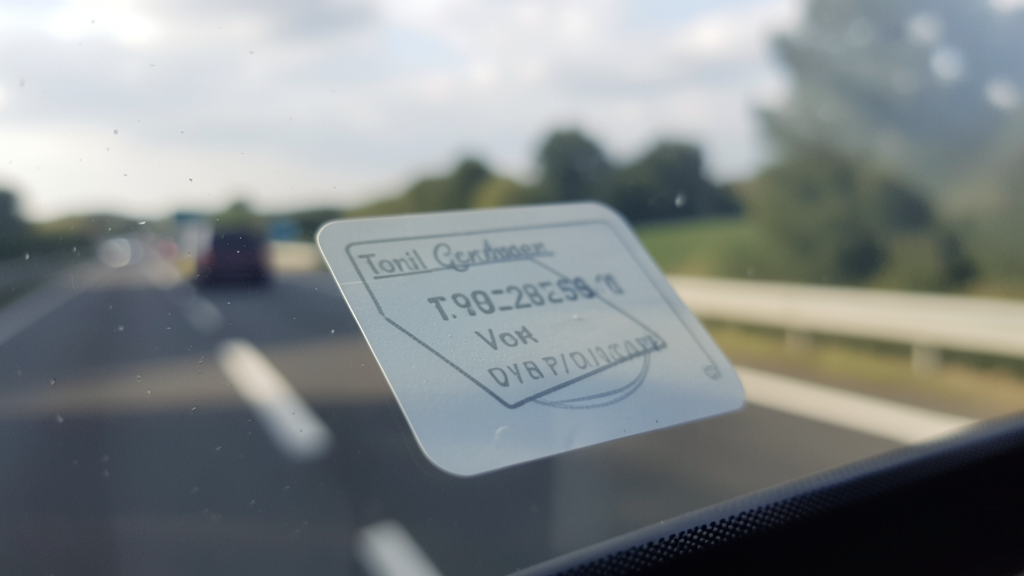
Car vignette on windshield

How to Purchase Your Car Vignette Online

You can buy a German toll vignette before your trip via official digital platforms. Compare the 10-day, 2-month, and annual options to find the right validity period for your journey.

Choose Your Validity Period

The German vignette comes in three durations: 10 days (around 8 euros), 2 months (around 22 euros), or a full calendar year (49 euros). Annual vignettes run from December 1 to January 31 of the following year plus the month of first registration.

Online Purchase Process

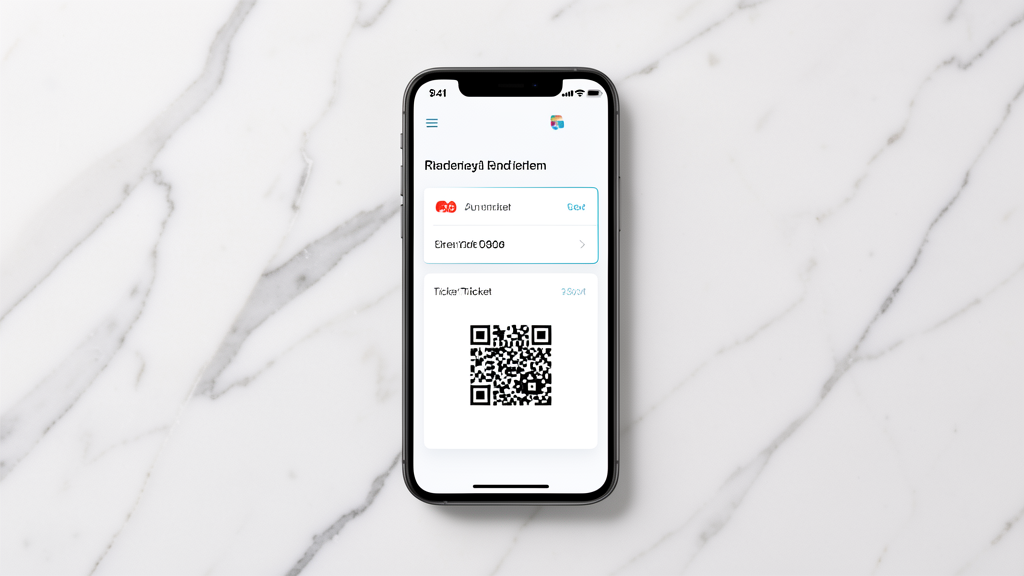
Digital vignettes can be purchased through the official Toll Collect portal or authorised resellers. You will need your vehicle registration number and country of registration. The digital vignette is linked to the number plate, so there is no physical sticker to affix.

Where to Buy

Purchase directly via the Toll Collect website, at German border crossings, many petrol stations near the border, and some automotive clubs. Online purchases are processed immediately and are valid from the chosen start date.

Confirmation and Documentation

After purchase you receive a confirmation email with your registration details. Keep this receipt while traveling — enforcement officers can verify your digital vignette by plate number, but having confirmation helps resolve disputes quickly.

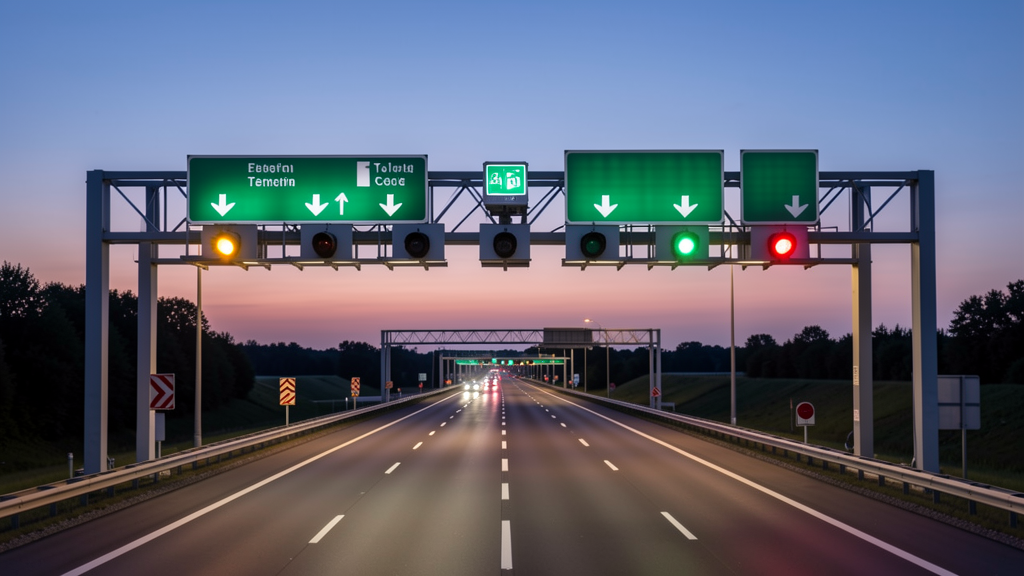
Electronic toll collection gantry

Toll Collect: The Truck Toll System Explained

All trucks over 7.5 tonnes must use the Toll Collect on-board unit on German motorways. The system calculates charges by distance traveled, axle count, and emission class.

What Triggers Truck Tolls

Any vehicle with a maximum permissible weight exceeding 7.5 tonnes — including tractors, semi-trailers, and articulated trucks — must pay distance-based tolls on all German motorways and some federal roads. The charge applies 24 hours a day, 7 days a week.

How Charges Are Calculated

The toll rate varies based on three factors: distance traveled (in kilometers), number of axles (2 to 4+), and emission classification (Euro 0 through VI). Current rates range from roughly 13 to 21 cents per kilometer depending on these variables.

The OBU Installation Process

Truck operators must install a Toll Collect on-board unit (OBU) which automatically records GPS data and transmits it to Toll Collect servers. OBUs can be purchased or rented from Toll Collect partners or service stations along major routes.

Manual Toll Declaration

If your OBU is unavailable or being repaired, you can make a manual toll declaration online or at a service point. This involves submitting your planned route and estimated distance. Failure to declare manually carries the same penalty risk as non-payment via OBU.

Road winding through German countryside

Major German Routes and Their Toll Requirements

From the A7 running north-south through Hamburg and Hanover, to the A9 connecting Berlin and Munich — explore the key German routes and what tolls apply to each.

The A7 Corridor

The A7 is Germany's longest motorway, running from the Danish border near Flensburg down to the Austrian border near Füssen. It passes through Hamburg, Hanover, and Kassel. Full toll applies on all sections — every kilometer is chargeable for trucks, and the vignette is mandatory for cars.

The A9 Berlin–Munich Axis

The A9 links Germany's two largest cities, passing through Leipzig and Nuremberg. It is one of the busiest commercial corridors in Europe. Trucks must have an active OBU for the full distance. Car vignettes cover all 586 kilometers between the two cities.

The A3 Cologne–Nuremberg Route

The A3 connects the Cologne region with Frankfurt and Nuremberg, passing the major junctions at Cologne, Frankfurt Airport, and Würzburg. It is particularly busy with freight traffic. Tolls apply for the entire 440-kilometer stretch for both cars and trucks.

Federal Road Exceptions

Some federal roads (B-roads) also carry toll obligations, specifically those that bypass Autobahn sections in lower Saxony, Saxony-Anhalt, and Bavaria. Check the official Toll Collect route planner to confirm whether your route includes toll-managed federal roads.

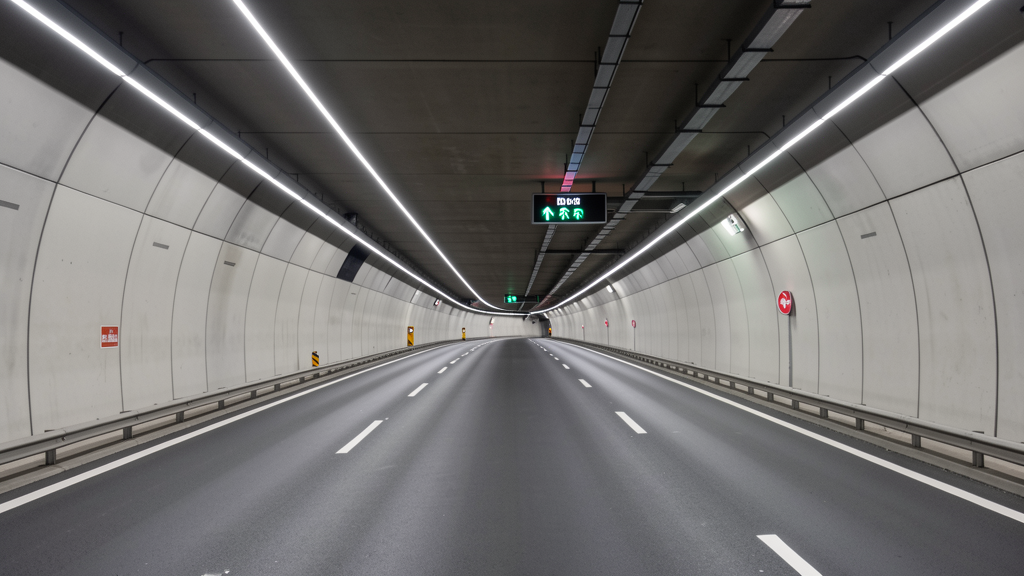
German highway tunnel

Fines, Exemptions, and Common Mistakes to Avoid

Driving without a valid vignette can cost up to 480 euros in fines. Learn which vehicles are exempt, what happens if you forget your vignette, and how to handle a penalty notice.

Penalty Structure

Driving on a German toll road without a valid vignette exposes the driver to fines ranging from 60 euros (first offense, no prior record) up to 480 euros for repeated violations. Foreign vehicles are not immune — rental agreements do not cover toll fines.

Exempt Vehicles

A narrow set of vehicles are exempt from car vignette requirements: motorcycles, emergency vehicles, vehicles used by people with disabilities (with appropriate badge), and vehicles operated by diplomatic missions. Electric vehicles registered before 2025 also received a temporary exemption.

What If You Forget Your Vignette

If you are caught without a vignette on a toll road, you may be able to purchase one retroactively at a service area. However, the enforcement officer still issues a fine. Paying on the spot does not cancel the penalty notice. Keep all receipts if you purchase en route.

Contesting a Penalty Notice

If you believe you were incorrectly fined — for example, if your vignette was valid at the time — you can contest in writing to the Federal Motor Transport Authority (KBA). Provide your vignette registration number, purchase confirmation, and any supporting documentation.

Aerial view of German highway interchange

Cost Comparison: German Tolls vs Other European Countries

Germany is not the only country charging for road use. Compare the 49-euro German annual vignette with Austria, Switzerland, Italy, and France to plan your European driving budget.

Germany vs Austria

Austria's vignette (around 9 euros for 10 days, 28 euros for 2 months, 96 euros annually) costs significantly more than Germany's 49-euro annual sticker. However, Austria charges tolls on specific mountain routes and tunnels beyond the base vignette, whereas Germany applies a flat rate.

Germany vs Switzerland

Switzerland uses a single vignette at 40 euros covering all its motorways and semi-motorways for the full year. Unlike Germany, Switzerland does not have a separate truck toll system for heavy vehicles — the vignette covers commercial vehicles too, making it simpler for truck operators.

Italy and France Distance-Based Systems

Italy and France use distance-based tolling on their motorway networks rather than a flat vignette. A 600-kilometer trip in Italy might cost 50 to 70 euros in tolls, while the same distance in France could run 40 to 60 euros. These systems are harder to predict but often work out cheaper for occasional short trips.

Poland, Czech Republic, and Eastern Europe

Poland and the Czech Republic operate e-toll systems similar to Germany's Toll Collect. Both countries offer short-term vignettes for cars (around 4–6 euros for 10 days in Poland) that are significantly cheaper than the German annual rate. However, these networks have less road coverage than Germany.

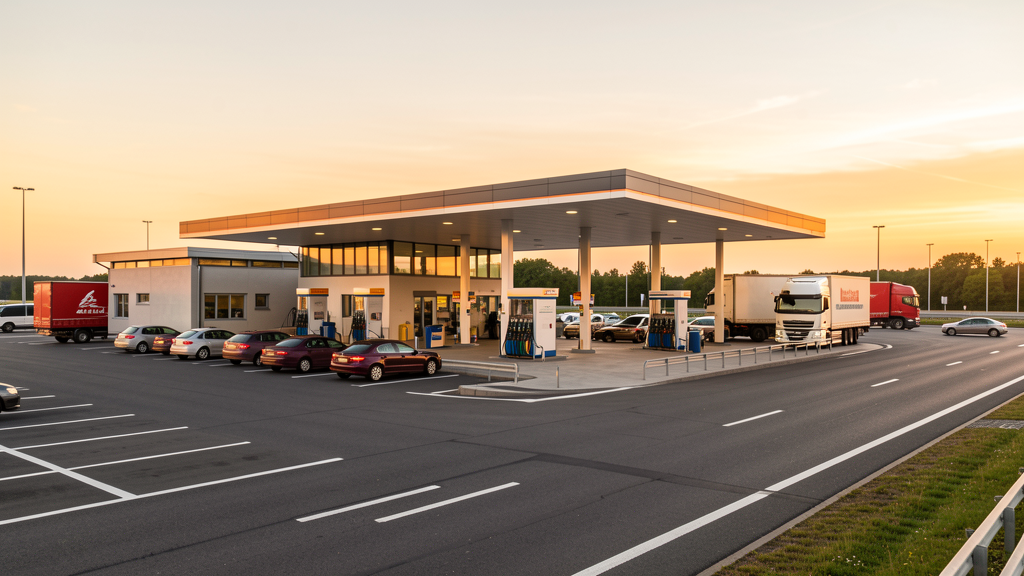
German highway rest area and fuel station

Digital Vignettes, OBU Registration, and Payment Methods

From the Toll Collect website to on-board unit setup, this guide walks through every digital step of registering and paying German road tolls — before and during your trip.

Registering a Digital Vignette

Access the Toll Collect online portal, create an account, and enter your vehicle registration plate and country. Select the validity period (10-day, 2-month, or annual). Payment is via credit card or SEPA direct debit. Your registration is active within minutes.

Installing and Activating the OBU

The Toll Collect OBU is a small device roughly the size of a smartphone. It must be installed on the windshield behind the rear-view mirror. After installation, activate the device via the Toll Collect website or mobile app, linking it to your vehicle registration and Toll Collect account.

Managing Your Toll Account

Log into your Toll Collect account to view your toll bills, trip history, and outstanding balances. Bills are issued monthly for trucks. Top-up credit is available for prepaid accounts. Auto-pay from a credit card ensures uninterrupted service for frequent drivers.

Mobile App Options

The Toll Collect app allows you to manage your account, purchase vignettes, and check OBU status from your phone. For trucks, the app provides real-time trip tracking and cost summaries. Both iOS and Android versions are available.

Travelers at a scenic German roadside viewpoint

10 Tips to Save Money on German Road Tolls

From choosing the right vignette validity to combining routes efficiently, these practical tips help passenger car drivers and fleet operators reduce their German toll expenditure.

Buy Annual Only If You Travel Frequently

The 49-euro annual vignette makes sense only if you will drive on German toll roads at least four times per year. For a single trip, a 10-day vignette at around 8 euros is far better value. Annual vignettes are non-transferable between vehicles.

Time Your Purchase to Extend Validity

Annual vignettes purchased in December remain valid through January of the following year — a 14-month period for the price of 12. If you know your vehicle will travel in Germany early in the year, buying in late autumn stretches the value significantly.

Use Toll Collect Route Planner

Before any trip, use the free Toll Collect route planner to identify exactly which roads on your journey are toll roads. Some federal road alternatives may be toll-free, saving you the vignette cost for short regional detours.

Consider Vignette Packages for Multi-Country Trips

Several automotive clubs and online retailers sell bundled vignettes for Germany, Austria, Switzerland, and Slovenia at a combined discount. If your European route crosses multiple borders, a package deal often undercuts buying individual vignettes.

Essential Tips for Driving on German Toll Roads

Buy Before You Cross the Border

Vignettes purchased at border crossings or petrol stations immediately before entry cost the same as online purchases. However, online purchases can be made months in advance, eliminating any border delay.

Always Keep Your Receipt

Whether digital or paper, retain your vignette purchase confirmation throughout your trip. If an ANPR camera reads your plate incorrectly, your receipt is your proof of compliance.

Rental Cars Need Vignettes Too

If you are driving a rental car in Germany, you are responsible for the toll — not the rental company. Ask your rental provider whether a vignette is pre-installed, and verify before you drive on any Autobahn section.

No Vignette = No Free Passage

There is no grace period or warning system. If your vehicle is caught without a valid vignette on a toll road, you receive a fine immediately. There is no first-time warning option.

Plan Around Construction Zones

Germany conducts frequent road maintenance on its Autobahn network. Check the Toll Collect website or app for current construction zones and road closures before each trip — some detours may add toll-free sections to your route.

Fleet Operators Should Pre-Register

If you operate multiple trucks, pre-register all vehicles on your Toll Collect business account before crossing into Germany. Bulk registration simplifies billing, reduces per-vehicle errors, and gives you a consolidated monthly invoice.

Frequently Asked Questions

The vignette is required on all Autobahn sections and a growing number of designated federal roads. Federal roads that carry toll obligations are clearly marked with toll signs at entry points. Not all federal roads are toll roads — only those specifically designated in the toll regulations.

Yes. Vignettes are available at most major border crossings into Germany, particularly on the A7 from Denmark, the A9 from Austria, and the A3 from the Netherlands. They are also sold at many petrol stations within 10 km of the border. However, buying online before departure avoids any queuing or language barriers at the border.

Yes, they are entirely separate systems. The car vignette is a flat-fee sticker valid on all toll roads for passenger vehicles and light goods vehicles up to 3.5 tonnes. The truck toll (operated by Toll Collect) is distance-based and applies to vehicles over 7.5 tonnes. Truck operators must register with Toll Collect, install an OBU, and pay per kilometer traveled.

You will receive a fine of up to 480 euros depending on whether it is your first offense and whether you purchased a vignette immediately after being stopped. Foreign drivers are not exempt from fines. Rental vehicle agreements do not cover toll fines — the registered driver is responsible. Fines can be issued on the spot or sent to the vehicle owner by post.

No. Motorcycles are fully exempt from the German road toll system. Neither the vignette requirement nor the Toll Collect system applies to motorcycles in Germany. This exemption covers all German motorways and federal roads for two-wheeled vehicles.

The Toll Collect website and mobile app include a free route planner that highlights all toll roads on your planned journey. You can enter your start point, destination, and vehicle type to see a complete breakdown of toll sections, distance covered, and estimated charges. GPS navigation apps also typically flag toll roads in their route options.